The Last Supper 3D Relief CNC Model
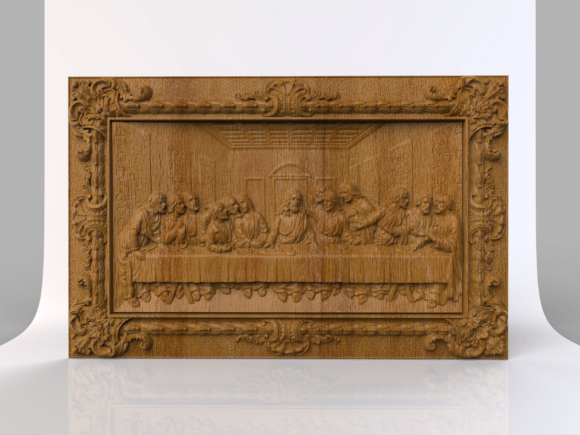
There is a distinct satisfaction in holding a physical object that began as digital data. It bridges the gap between the ethereal world of pixels and the tangible reality of wood, resin, or stone. When you bring home The Last Supper 3D Relief CNC Model, you aren’t just acquiring a file; you are gaining access to a meticulously crafted piece of sacred art that has been translated into three dimensions. This model captures the dramatic tension and emotional depth of Leonardo da Vinci’s masterpiece, reimagining it not as a flat image on a wall, but as a textured surface that interacts with light and shadow.
For designers, crafters, and religious institutions alike, this asset represents more than just a decorative item. It is a sophisticated design tool that allows for the creation of high-end wall panels, church décor, and personal art collections. The relief offers a realistic and deeply detailed interpretation, ensuring that every face, hand gesture, and fold of clothing carries weight and presence. Whether you are looking to enhance the atmosphere of a sanctuary or add a touch of classical elegance to a modern home office, this STL model provides the foundation for something truly enduring.
Visual Depth and Artistic Integrity
What sets this particular 3D relief apart from generic religious imagery is its adherence to the original composition’s psychological intensity. Da Vinci’s work is famous for capturing the moment Christ announces betrayal, freezing a tableau of shock, denial, and sorrow among the apostles. This model translates those subtle facial expressions into varying depths of carving. The result is a piece that changes character depending on the lighting. In bright, direct light, the details pop with sharp definition. In softer, ambient lighting, the shadows deepen, creating a moody, contemplative atmosphere.
The visual characteristics of the model are optimized for CNC milling and 3D printing. Unlike low-resolution scans that can appear muddy or indistinct when scaled up, this high-resolution model maintains clarity across its entire surface. The textures of the robes, the wood grain of the table, and the architectural elements in the background are rendered with precision. This level of detail ensures that the final product feels authentic rather than manufactured. For those familiar with design software like ArtCAM or Aspire, you will appreciate how cleanly the geometry is structured, allowing for smooth toolpaths and reduced post-processing time.
The style is best described as classical realism meets modern fabrication. It respects the historical context of the Renaissance while embracing the capabilities of contemporary manufacturing. This duality makes it versatile. It fits seamlessly into traditional ecclesiastical settings but also commands attention in minimalist spaces where contrast and texture are key design drivers. The "personality" of the model is one of solemnity and reverence, yet it possesses an underlying dynamism that keeps the viewer engaged. It is not static; it invites closer inspection.
Practical Applications Across Creative Projects
The versatility of The Last Supper 3D Relief CNC Model extends far beyond simple reproduction. Its format (STL) and structural integrity make it suitable for a wide array of creative and commercial applications. For interior designers and architects, this model serves as a premium design asset for creating focal points in lobbies, chapels, or meditation rooms. Imagine a large-scale wooden panel mounted on a concrete wall, the natural warmth of the timber contrasting with the coolness of the stone, illuminated by a spotlight that accentuates the relief’s depth.
In the realm of branding and marketing, particularly for businesses rooted in heritage, craftsmanship, or faith-based communities, this model offers a unique opportunity for differentiation. A small business owner specializing in custom furniture might use a smaller version of this relief as a signature element on the back of a high-end desk or as part of a branded packaging design for luxury goods. The association with such a culturally significant image elevates the perceived value of the surrounding products.
Content creators and bloggers focusing on DIY projects, woodworking, or 3D printing can leverage this model to produce engaging tutorials. Demonstrating the process of converting an STL file into a finished wooden artifact provides valuable educational content. The step-by-step journey—from slicing the model in software to the final sanding and staining—resonates with hobbyists who enjoy seeing the transformation of raw material into art. Furthermore, publishers and editorial designers might find inspiration in the intricate details for use in magazine spreads or book covers related to art history or religious studies.
Evaluating Project Fit and Technical Readiness
Before committing to a production run, it is essential to evaluate how this model fits your specific project requirements. Because the model is tested in ArtCAM and Aspire, users of these programs can expect a smoother workflow. These platforms are industry standards for relief carving and vectorization, meaning you can easily adjust the depth of the cut, modify the toolpath strategies, or even isolate specific areas for different materials. If you are using 3D printing software, the clean mesh topology ensures minimal support structures and fewer print failures.
Consider the scale of your intended output. A small tabletop piece requires a different approach to lighting and finish than a floor-to-ceiling wall installation. For larger formats, the resolution of the model becomes critical. This high-resolution STL file holds up well under magnification, preventing the "pixelated" look that often plagues lower-quality digital assets. Additionally, think about the material choice. Wood adds warmth and tradition, making it ideal for church panels. Resin or plaster might be better suited for gallery pieces where paintability and fine detail retention are priorities. Each material interacts differently with the relief’s contours, affecting the final aesthetic outcome.
Enhancing Professionalism and Audience Engagement
Incorporating high-quality 3D relief art into your space or brand identity signals a commitment to excellence. It suggests that you value craftsmanship and attention to detail. For churches and religious organizations, displaying such a reverent piece can foster a deeper sense of community and spiritual connection. It transforms a plain wall into a narrative space, encouraging visitors to pause and reflect. This engagement is powerful; it turns passive observation into active participation.
From a design perspective, the model contributes to visual hierarchy. Its complexity draws the eye, establishing itself as the primary focal point in a room. Surrounding elements should be designed to complement, not compete with, the relief. Simple lines, neutral colors, and uncluttered layouts allow the intricate details of the Last Supper to shine. This balance is crucial for maintaining professionalism. A cluttered environment diminishes the impact of the artwork, whereas a curated presentation enhances its majesty.
For entrepreneurs and marketers, using such a distinctive design asset helps build brand recognition. In a saturated market, uniqueness is currency. By integrating a recognizable cultural icon rendered in a novel, tactile way, you create a memorable experience for your audience. This memorability translates into loyalty. People remember how they felt when they encountered your brand or space, and the emotional resonance of sacred art is potent.
Final Considerations for Implementation
When selecting this model for your next project, ensure you have the appropriate technical skills or resources. While the STL file is ready for use, achieving a flawless finish requires knowledge of CNC operations or 3D printing post-processing. Sanding, sealing, and finishing are where the true artistry lies. Take time to experiment with different stains or paints to see how they interact with the deep recesses and high peaks of the relief. You might find that a dry-brushing technique highlights the facial features, while a dark wash emphasizes the drapery folds.
Ultimately, The Last Supper 3D Relief CNC Model is more than a file download. It is an invitation to engage with history, art, and technology. It offers a pathway to create objects that are not only visually stunning but also emotionally resonant. Whether you are a seasoned professional looking to expand your portfolio or a hobbyist eager to tackle a complex project, this model provides the tools necessary to bring a timeless masterpiece into the modern world. By choosing quality, respecting the source material, and applying thoughtful design principles, you can create something that stands the test of time.