3D Summer Fruit Fly Trap Box Laser Cut
Summer brings a specific set of challenges for homeowners, restaurant owners, and anyone who values a pest-free environment. Among the most persistent and irritating invaders are fruit flies. These tiny insects are drawn to fermenting organic matter, ripe produce, and even damp mops, making them difficult to eradicate with traditional chemical sprays that often leave harmful residues. For those seeking a non-toxic, mechanical solution, laser-cut DIY projects have emerged as a surprisingly effective tool in the integrated pest management toolkit. The 3D Summer Fruit Fly Trap Box Laser Cut design offers a structured, reusable alternative to disposable sticky traps or homemade cone-and-jar contraptions. This digital asset is designed for individuals who prefer precision manufacturing via CNC routers or laser cutters, providing a clean aesthetic that blends into modern home or office decor while serving a functional purpose.
Understanding the Digital Asset and Manufacturing Process
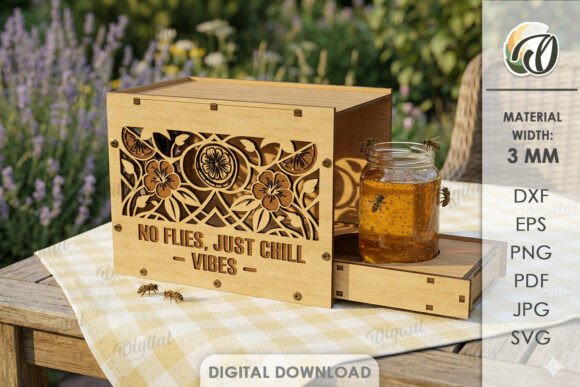
It is crucial to understand that this product is purely digital. Purchasers receive a zip folder containing the necessary files to manufacture the trap themselves. The package includes the design in multiple industry-standard formats: SVG, DXF, EPS, PDF, JPEG, and PNG. This versatility ensures compatibility with a wide range of software and hardware. Whether you are using CorelDRAW, Adobe Illustrator, Inkscape, or a direct-to-machine interface like LightBurn or Universal G-Code Sender, the provided files facilitate a smooth workflow.
The design is engineered specifically for materials with a thickness of 3mm. This specification is critical for the structural integrity of the box. Common materials suitable for this project include acrylic, MDF (Medium Density Fiberboard), birch plywood, or PVC sheet. The choice of material affects both the durability and the visual appeal of the final product. Acrylic provides a sleek, translucent look that can be lit from within if desired, while wood offers a warmer, more rustic aesthetic that fits well in kitchens or patios. The laser cutting process allows for precise interlocking joints, meaning the box can be assembled without glue or screws, relying on friction-fit tabs and slots that hold the structure together securely once assembled.
Design Characteristics and Functional Mechanics
The core strength of the 3D Summer Fruit Fly Trap Box Laser Cut lies in its geometric efficiency. Unlike simple flat traps, this 3D construction creates an enclosed chamber with specific entry points. The design typically incorporates small, inward-facing slits or funnels. Fruit flies are attracted by scent but struggle to navigate complex geometries once inside. They fly toward the light or the scent source, enter through the designated holes, and find it difficult to locate the exit due to the internal baffles or the narrow nature of the entrance channels. This passive trapping method is highly effective because it relies on insect behavior rather than toxic chemicals.
The "box" format offers several advantages over open bowls or cups. It contains the attractant, preventing spills and keeping the area around the trap clean. It also protects the bait from being knocked over by pets, children, or accidental bumps. Furthermore, the vertical orientation of the box maximizes surface area relative to its footprint, allowing it to sit unobtrusively on a counter, windowsill, or outdoor table without taking up excessive space. The laser-cut edges provide a clean finish that looks intentional and professional, elevating the item from a mere utility object to a piece of functional decor.
Practical Application and Real-World Performance
In practical use, the effectiveness of any fruit fly trap depends heavily on the attractant used. While the physical design of the 3D Summer Fruit Fly Trap Box Laser Cut provides the mechanism for capture, the user must supply the lure. Apple cider vinegar, red wine, or overripe banana peels are standard attractants. When placed inside the box, these items release volatile compounds that draw flies from a considerable distance. Once inside, the flies become trapped. The 3mm material thickness ensures that the walls are rigid enough to maintain the shape of the trap under minor pressure, yet thin enough to allow for easy assembly and disassembly for cleaning.
One of the significant benefits of this laser-cut design is reusability. Disposable plastic traps contribute to waste and require constant repurchasing. A laser-cut box, particularly one made from acrylic or durable wood, can be used season after season. Cleaning is straightforward; the box can be disassembled, washed with warm soapy water, and dried before reuse. This longevity makes it a cost-effective solution over time, despite the initial investment in materials and machine time. For businesses such as cafes, bakeries, or grocery stores, having a stack of identical, uniform traps can create a more consistent and hygienic appearance compared to mismatched commercial alternatives.
Target Audience and Use Cases
This digital resource is ideal for a diverse range of users. Hobbyists and makers will appreciate the precision of the vector files and the satisfaction of building a functional object from scratch. The variety of file formats means that even those new to laser cutting can follow the included PDF guides or trace the SVG files in beginner-friendly software. Professionals in interior design or property management may find value in sourcing these designs to create custom, branded pest control solutions for short-term rentals or boutique hotels, where aesthetics are paramount.
Small business owners in the food service industry can benefit from the non-toxic nature of the trap. Chemical sprays are often prohibited or restricted in areas where food is prepared or served. A mechanical trap eliminates the risk of contaminating food surfaces with pesticides. Similarly, educators and parents might use this project as an educational tool to teach children about entomology, sustainable living, and DIY engineering. The assembly process encourages problem-solving skills and familiarity with digital fabrication tools.
Considerations and Limitations
While the 3D Summer Fruit Fly Trap Box Laser Cut is a robust solution, there are practical considerations to keep in mind. First, the user must have access to a laser cutter or CNC router, or the budget to outsource the cutting service. The requirement for 3mm material is specific; attempting to cut this design with significantly thinner or thicker materials may result in loose joints or difficulty assembling the box. Second, while highly effective for fruit flies and fungus gnats, this design may not be suitable for larger pests like houseflies or wasps, which require different entry mechanisms and stronger structural reinforcements. Finally, the attractant needs to be refreshed regularly to maintain potency. An empty or stale trap will lose its effectiveness quickly, requiring user maintenance.
Conclusion
The 3D Summer Fruit Fly Trap Box Laser Cut represents a smart intersection of digital design and practical household management. By providing high-quality, versatile file formats, it empowers users to create a durable, aesthetically pleasing, and environmentally friendly pest control device. Its suitability for 3mm materials ensures stability, while its enclosed design offers hygiene and convenience. For anyone looking to reduce reliance on chemical pesticides and add a touch of craftsmanship to their summer routine, this digital asset provides a reliable foundation for creating an effective and attractive solution. It is a testament to how thoughtful design can solve everyday problems with elegance and efficiency.