3D Great Wave Shadow Box, 3D Ocean
The intersection of traditional papercraft and modern digital fabrication has given rise to a unique category of decorative art: the layered shadow box. Among the most striking designs in this genre is the 3D Great Wave Shadow Box, 3D Ocean. Inspired by Katsushika Hokusai’s iconic woodblock print, this design translates a flat, two-dimensional masterpiece into a multi-layered, three-dimensional experience. For creators, educators, and small business owners looking to add a touch of sophisticated depth to their projects, this specific file set offers a compelling blend of artistic heritage and technical precision.
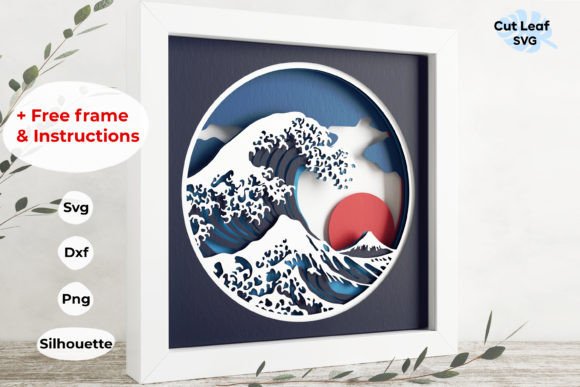
Unlike standard wall art that relies solely on color and line, a 3D shadow box utilizes physical depth to create movement and perspective. The 3D Great Wave Shadow Box, 3D Ocean achieves this through a carefully orchestrated sequence of ten distinct layers. Each layer represents a different segment of the wave’s crest, foam, and the distant Mount Fuji, allowing light and shadow to interact with the paper in real-time. This creates a dynamic visual effect that changes depending on the viewer’s angle and the ambient lighting, making it far more engaging than a static image.
Technical Specifications and File Versatility
One of the primary strengths of this digital product is its adaptability across various cutting platforms. Whether you are using a hobbyist-grade Cricut machine or an industrial CNC router, the included files ensure seamless integration into your workflow. The package is comprehensive, providing formats tailored to specific software ecosystems to minimize compatibility headaches.
- SVG Format: Essential for users of Cricut Design Space and Silhouette Designer Edition. This vector format allows for precise scaling without loss of quality.
- DXF Files (x2): Optimized for CNC machines and those using Silhouette Basic Edition. These files maintain clean cut lines for automated routing.
- Silhouette Studio File: A proprietary format specifically prepared for Silhouette Studio users, ensuring that layer grouping and naming conventions are preserved for easy editing.
- EPS Format: Compatible with Adobe Illustrator, CorelDRAW, Inkscape, and Make The Cut. This is ideal for professional designers who need to modify the artwork before production.
- PNG Image: A high-resolution photo format with a transparent background, useful for previewing the final look or integrating the design into digital mockups.
This multi-format approach ensures that both casual crafters and professional print shops can utilize the design effectively. The scalability of the SVG and EPS files means you are not locked into a single size, although the default dimensions are optimized for standard framing.
Design Structure and Assembly Guide
The core functionality of the 3D Great Wave Shadow Box, 3D Ocean lies in its ten-layer structure. Rather than attempting to cut all elements at once, the design separates the wave’s components—such as the deep blue troughs, the white foamy crests, and the sky background—into individual sheets. This separation is crucial for creating the illusion of depth.
The download includes a detailed PDF instruction manual and a Layer Guide. These resources are not merely suggestions; they are critical for achieving the intended aesthetic. The guide provides a numbered system for cutting and assembling the layers in the correct order. Misordering even one layer can disrupt the perspective, causing the wave to look flat or disjointed. The instructions also cover adhesive techniques, spacing methods, and frame preparation.
The design is sized to fit an inner frame dimension of 8.5 x 8.5 inches. This square format works exceptionally well for symmetrical compositions like waves, which often radiate from a central point or flow diagonally across the canvas. Using standard 8.5 x 11-inch cardstock allows for efficient material usage, as you can typically fit multiple layers on a single sheet, reducing waste and cost.
Practical Applications Across Industries
While often categorized under "crafts," the utility of the 3D Great Wave Shadow Box, 3D Ocean extends into several professional and educational domains.
Interior Design and Home Decor
For interior designers and homeowners, this shadow box serves as a statement piece. It adds texture to a room without the bulk of a sculpture. The interplay of light through the layered paper creates soft shadows on the wall behind the frame, adding an atmospheric quality to living rooms, offices, or hallways. It appeals to clients who appreciate Japanese aesthetics, minimalism, or nautical themes but want something more tactile than a poster.
Education and STEM Learning
Educators can use this project as a tangible lesson in geometry, physics, and art history. When assembling the shadow box, students engage with concepts of parallax, layering, and structural integrity. It bridges the gap between digital design (using the cutting files) and physical manufacturing (cutting and gluing). Teachers can demonstrate how digital vectors translate into physical objects, a key concept in engineering and design thinking.
Small Business and Branding
Entrepreneurs and marketers can leverage this design for branded merchandise or office decor. A company specializing in sustainability might highlight the use of recyclable cardstock and low-waste production methods. Real estate agents could use these as closing gifts, symbolizing calm and stability. The professional finish achievable with proper assembly lends itself to high-end retail displays or boutique hotel lobbies where unique, non-mass-produced art is valued.
Content Creation and Blogging
For bloggers and social media influencers, the 3D Great Wave Shadow Box, 3D Ocean offers excellent content opportunities. The process of building the shadow box is visually satisfying and makes for engaging video content on platforms like TikTok or YouTube. The final product is highly photogenic, providing high-quality imagery for blog posts about DIY home decor, papercraft tutorials, or cultural appreciation of Hokusai’s work.
Considerations for Successful Implementation
To get the best results from this design, attention to detail during the material selection and assembly phases is paramount. While the files are ready to cut, the outcome depends heavily on the user’s execution.
Cardstock Quality: Standard copy paper may be too thin, resulting in a fragile structure that lacks rigidity. Conversely, heavy cardstock can be difficult to cut cleanly on smaller machines. A weight between 65lb and 80lb (approximately 176–216 gsm) is generally recommended. It provides enough stiffness to hold its shape while remaining manageable for most electronic cutters.
Adhesive Choice: The choice of glue affects the final appearance. Liquid adhesives can warp thin paper if applied too liberally. Double-sided tape dots or foam tape are preferable. Foam tape, in particular, can enhance the 3D effect by adding extra spacing between layers, increasing the depth of field. However, it requires careful alignment to prevent visible gaps.
Lighting: As mentioned, lighting plays a huge role. Natural daylight reveals the true colors and subtle shadows, while directional artificial light can exaggerate the depth. Avoid direct sunlight for prolonged periods, as UV exposure will fade the cardstock over time.
Conclusion
The 3D Great Wave Shadow Box, 3D Ocean is more than just a craft project; it is a versatile tool for creative expression and practical application. Its robust file support, clear instructional guidance, and timeless artistic inspiration make it a valuable asset for anyone involved in design, education, or decoration. By transforming a classic image into a multi-dimensional object, it invites viewers to look closer, appreciate the details, and engage with the art in a new way. Whether used to decorate a personal space, teach a class, or showcase a brand’s commitment to quality, this shadow box delivers significant value through its thoughtful design and ease of implementation.